Revitalize Your Space: Vital Details Regarding Home Renovation Work for Each House Owner
Homeowners often seek options to upgrade their living spaces through home improvement projects. Such undertakings may vary from kitchen upgrades to entire residential overhauls. Knowing the choices accessible is essential for deciding wisely. Additionally, there are practical considerations such as setting a budget and choosing the right builder. When property owners embark on this process, they may run into surprising obstacles. Achieving a successful makeover lies in careful planning and performance. What are the next necessary steps?
Grasping the Diverse Forms of Home Remodeling Services
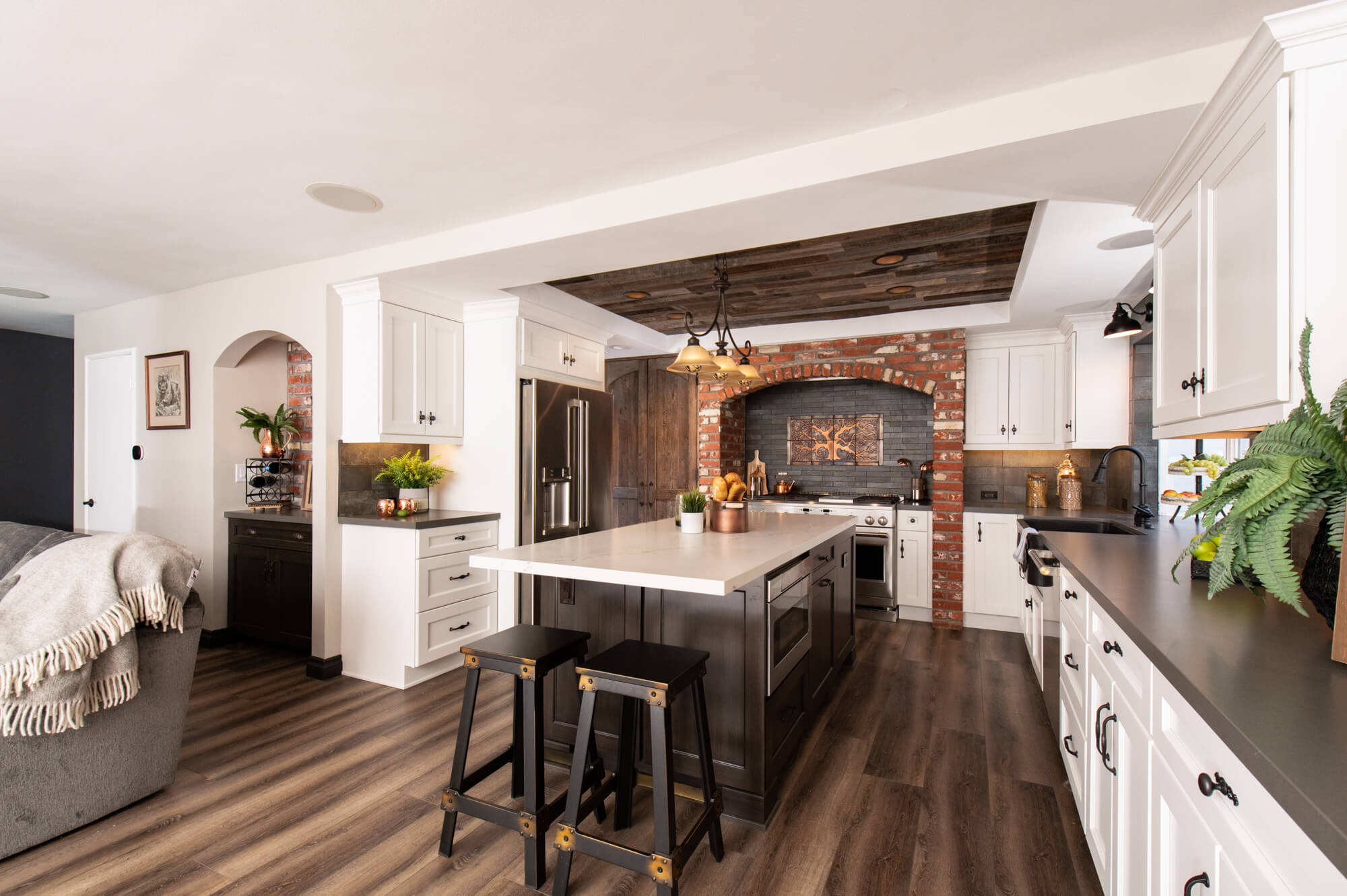
As householders look to improve their residences, they typically find many different types of services suited to various requirements and preferences. These services can be broadly categorized into several types, each focusing on particular areas of house upgrades. Kitchen renovations center on upgrading equipment, cabinetry, and floor plans to enhance functionality and the look. Renovating the bathroom usually includes updating the hardware, tiles, and shelving options for better convenience and visual flair.
Complete residential remodeling includes significant changes throughout the residence, often including structural alterations to maximize the area and movement. Exterior remodeling services, conversely, focus on boosting the home's outward appearance, handling the exterior walls, the covering, and the garden design. Additionally, specialized services including converting the cellar and loft remodeling help residents make the most of unused areas. Each type of remodeling service provides distinct advantages, letting residents pick services that align with their vision for their living environment. Knowing these variations is crucial to choosing wisely throughout the remodeling project.
Creating an Attainable Financial Limit for Your Remodeling Project
How do property owners make certain their home upgrades are kept financially viable? Setting a practical budget is essential. Property owners must start by determining their fiscal limits, like savings and available loan choices. This first stage helps establish the funds available for the renovation without jeopardizing other monetary duties.
Subsequently, property owners need to look into the financial requirements of their intended changes, taking into account materials, labor, and unexpected costs that frequently occur. Developing a comprehensive priority list will assist in identifying must-haves versus nice-to-haves, allowing for adjustments if the budget tightens.
It is smart to incorporate a reserve fund, usually about 10-20% of the overall cost, to cover unexpected costs. Regularly reviewing and adjusting the budget throughout the remodeling process can further in-depth guide assist in keeping finances in check. Ultimately, a well-planned budget ensures the project is feasible and makes the whole updating experience better for homeowners.
Finding the Best Contractor for Your Needs.
Selecting the right contractor can greatly impact how well a renovation turns out. It is recommended that homeowners start by conducting thorough research, seeking recommendations from friends, family, or online reviews. It’s vital to verify credentials, such as licenses, insurance, and surety bonds, to verify their standing.
After suitable professionals have been found, homeowners should request detailed estimates and timelines, making it possible to compare options knowledgeably. Interviews provide insight into communication styles and professionalism, which are crucial for working together effectively.
Furthermore, examining previous work via portfolios or referrals can reveal a contractor's quality of workmanship. Homeowners should also inquire about warranties or guarantees, reflecting the contractor's confidence in their work.
Finally, picking a builder whose approach fits the property owner's ideas, cost plan, and timeframe creates a better renovation journey, guaranteeing that the project meets expectations and successfully updates the home's interior.
Planning and Designing Your Perfect Area.
As homeowners envision their ideal spaces, careful planning and thoughtful design become essential components of a successful remodeling project. The initial phase includes assessing present requirements and long-term goals, allowing for a thorough understanding of how the space will be used. It is important for homeowners to weigh functionality, aesthetics, and their individual taste, to guarantee the design showcases their unique preferences.
Subsequently, developing a comprehensive budget is essential. This budget should cover materials, labor, and potential unforeseen expenses. Engaging with design professionals can offer helpful perspectives, assisting in improving the layout and respecting budgetary constraints.
Integrating components like natural light, spacious designs, and eco-friendly supplies can improve the final result. Finally, seeing the project via sketches or digital renderings can aid in refining ideas before starting the work. By thoughtfully tackling the design and planning stage, homeowners can design a welcoming, practical area customized for their needs.
Understanding Regulations and Permits in Home Remodeling
Understanding the complexities of permits and regulations can be intimidating for homeowners beginning a home improvement project. Every local government sets particular guidelines that govern what can be done during renovations, often influenced by area restrictions, construction standards, and security requirements. Owners need to acquaint themselves with local regulations to avoid costly fines or project delays.
Generally, securing permits is essential for substantial modifications, such as modifying load-bearing elements or new wiring installations. This process frequently requires submitting blueprints for approval and might demand site visits at different phases.
Hiring an experienced builder can make this procedure easier, as they are typically experts in municipal rules and can assist with paperwork. Owners must also maintain clear communication with the city's regulatory body to ensure adherence throughout the project. By grasping and navigating these regulations, homeowners can achieve their remodeling goals and maintaining compliance with the law in their renovations.
FAQs
How Long Does a Typical Home Remodeling Project Take?

A typical home remodeling project usually takes three to six months on average, contingent upon the extent of the project, size of the home, and supply chain status. Complex projects may require additional time for completion.
What are common mistakes you should steer clear of while undertaking a remodel?
Common mistakes during remodeling often involve underestimating budgets, not securing the required permissions, missing scheduled deadlines, not maintaining clear communication with the construction team, and not considering long-term functionality. Understanding these dangers can lead to a smoother, more successful renovation project.
How do I choose the right materials for my project?
Choosing the right materials requires assessing durability, visual appeal, and financial limits. Researching options, getting expert advice, and factoring in how much care they require will significantly help to make smart choices, to guarantee the project fits with personal and functional requirements.
Will I be able to reside in my property while the remodeling is happening?
It is possible to remain on the premises during renovations, but you should expect some hassle. Thorough preparation, effective coordination with the renovation team, and designating specific areas for essential activities can help minimize disruption throughout the project.
What guarantees should I look for from the renovation company?
Homeowners should expect warranties that guarantee the quality of the work, the supplies used, and key building elements, typically ranging from one to ten years. You must carefully check the fine print and details in partnership with the renovation company to understand coverage and limitations fully.